
General information on the method
The following descriptions provide general information about manual, mobile and wet blasting. They do not mean that every application is offered by our company; suitability is assessed for the material and project conditions.
What Is Manual Blasting?
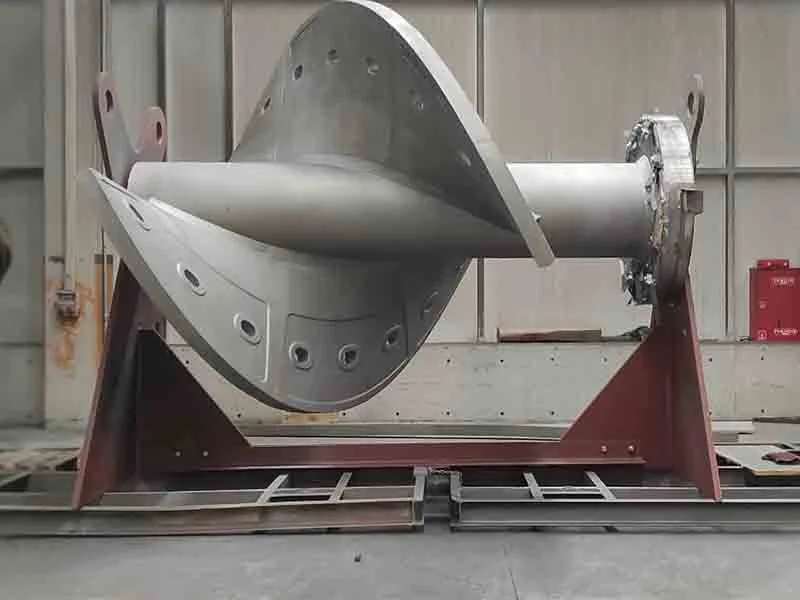
Mobile blasting uses equipment such as a compressor producing high-pressure air, a blasting machine and hoses. As a general method, it can be used at different locations and on a wide range of materials, particularly large items. One disadvantage of the method is the dust it produces.
Wet Blasting: General Method Information
Wet blasting is an approach used when dust suppression is required. In this process, wet abrasive is applied to the surface using a specific method.
General examples of wet-blasting applications include marinas and boatyards, including work on fibreglass or wooden boats where dust disturbance needs to be limited. Other examples include work in urban construction and buildings, such as removing plaster or paint, cleaning walls and creating an aged finish on marble or similar natural stone surfaces.
Wet blasting can also be applied to steel. However, the cost of the special coating required immediately afterwards can make this method less preferable for steel surfaces.
Information for quotations
- Material type, dimensions and quantity
- Existing surface condition and the required process
- Colour and coating specification, if applicable